
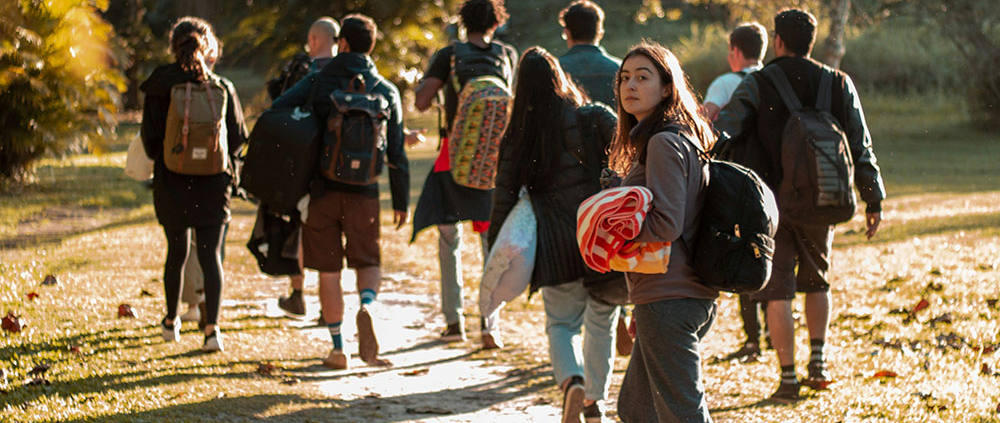
Teenagers today are growing up in a world of persistent stimulation. Notifications arrive constantly. Schedules are tightly packed with academics, sports, tutoring, extracurriculars, and social pressures, leaving little room for stillness. Much of adolescence now unfolds through screens—filtered, unreal, comparative.
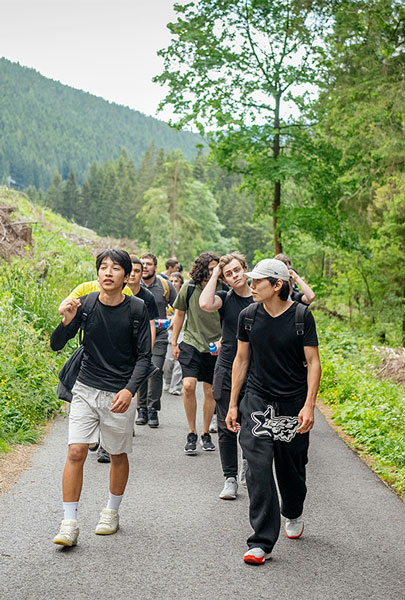 And yet, some of the most important emotional development still happens quietly: walking alone, sitting near the ocean, hiking a trail at dusk, feeding animals before sunrise, staring out a car window, listening to wind move through trees. Nature offers teenagers something increasingly rare. A space to think without performance.
I’ve often noticed that students feel most grounded when they maintain some connection to the physical world beyond achievement. Whether through surfing, horseback riding, hiking, running trails, skiing, or simply spending time outdoors, nature creates a different rhythm. It slows attention. It interrupts noise. It allows teenagers to step briefly outside the pressure to constantly produce, compete, and compare themselves.
Adolescence is emotionally intense by nature. Teenagers are forming identities as they navigate friendship, loneliness, ambition, insecurity, independence, peer pressure, and uncertainty about the future. Many students move from one obligation to another without ever having time to process what they are actually feeling. Outdoor experiences can quietly create room for emotional regulation and reflection in ways that are often underestimated.
Some teenagers discover confidence outdoors. Others discover solitude that feels restorative rather than lonely.
There is something clarifying about physical landscapes—the steadiness of mountains, open farmland stretching for miles, the repetition of waves along a shoreline, horses walking toward the fenceline, hawks circling above the trees. Nature shifts perspective. Problems that feel overwhelming indoors sometimes soften when placed against something larger and beyond our control.
I’ve also seen how outdoor experiences shape maturity and responsibility in young people. Students who work with animals, spend time on ranches, volunteer in environmental restoration projects, or simply commit themselves to outdoor routines often develop patience, resilience, attentiveness, and self-reliance.
The natural world does not respond instantly. It requires observation and presence. Teenagers benefit from that kind of relationship.
Many colleges today are looking beyond achievement alone. They want students who are thoughtful, curious, emotionally engaged, and connected to the world around them. Ironically, some of those qualities develop most powerfully away from screens and structured resumes.
What students remember years later is rarely another practice test or packed schedule. More often, it is the landscape surrounding a formative moment: late summer light over a canyon, cold air before dawn practice, red and orange sunsets, bonfires near the beach, long drives through open country with close friends, packed dirt on a trail after rain.
Nature becomes intertwined with memory, identity, and emotional growth. Certain places stay with us because of who we were while moving through them.
For teenagers especially, the outdoors still offers something essential: attention without distraction, solitude without isolation, and moments of quiet that allow growth.